THE
DOSSIER
Long-form clinical deconstructions of the female narcissist's behavioral grammar — the patterns, the tells, the aftermath.
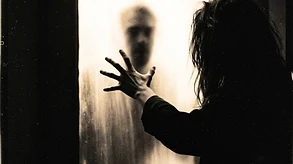
Love Bombing: The Opening Move of Female Narcissistic Abuse
The opening move of narcissistic abuse is not cruelty — it is an overwhelming, engineered flood of affection designed to make you dependent before you can think.

Gaslighting and the Erosion of Reality
It is not a single lie but a sustained campaign to make you doubt your own eyes — and to install the narcissist as the sole authority on what is real.

The Smirk: Microexpressions That Reveal Contempt
A flicker of contempt that crosses her face before the mask reassembles — the one expression she cannot fully suppress, and the truest face she wears.

Triangulation: Manufacturing Rivalry to Maintain Control
She brings a third party into the relationship to make you compete for what you already had — and then blames you for the jealousy she engineered.

The Discard: When the Narcissist Moves On
It seems sudden, but the relationship was over months before she left. The discard is the final move of a campaign to make your replacement feel like your fault.

Hoovering: The Narcissist's Return Campaign
She returns just as you begin to heal — with a crisis, an apology, a memory. Not out of love, but because your absence has become intolerable to her supply.


Narcissistic Mirroring: Becoming Your Perfect Match
She becomes your perfect match — sharing your values, your wounds, your dreams. But the match is a map of your vulnerabilities, built for control.

The Victim Stance: Weaponized Suffering
She is always the injured party. Her suffering is real — but it functions as currency, purchased to buy exemption from accountability.


Recovery After Female Narcissistic Abuse: Rebuilding the Self
It is not mourning a relationship — it is reconstructing a self that was systematically dismantled. The work is harder than the abuse, and it is worth every step.


The Covert Female Narcissist: Recognizing the Quiet Predator
She does not announce herself. The covert narcissist masks entitlement behind selflessness, making her the most dangerous predator of all — because you never see the knife.